CONTACT US
|
Wechat
WeChat:+8605925523433Wechat QR code,Contact us
WeChat:+8605925523433Wechat QR code,Contact us


Darjeeling black tea is produced in the Darjeeling region of West Bengal, India. The local mountain environment, cool climate, mist, and significant temperature differences between day and night contribute to the tea’s distinctive character.
Known for its floral aroma, fruity notes, delicate body, and pleasant finish, Darjeeling black tea is widely used in premium tea collections, gift boxes, hotel tea services, and high-end tea bag products.
The flavor and aroma of Darjeeling tea can vary according to the harvesting season. First-flush tea is generally fresh, light, and floral, while later harvests may deliver a richer and more mature flavor. To preserve the appearance of the tea leaves and improve their brewing performance, tea manufacturers need an appropriate packaging solution.
A pyramid tea bag is an excellent packaging option for premium Darjeeling black tea.
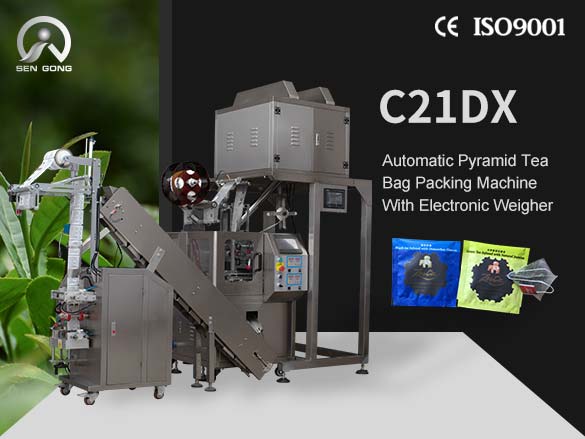
A pyramid tea bag packing machine, also known as a triangle tea bag packing machine, is an automatic packaging system designed to measure tea, fill it into filter material, form the bag, seal it, and cut the finished tea bag.
Some models can produce both three-dimensional pyramid tea bags and conventional rectangular tea bags, allowing tea manufacturers to create multiple product formats with one machine.
Compared with a traditional flat tea bag, a pyramid tea bag provides more internal space. When hot water enters the bag, the tea leaves have more room to expand and release their aroma, flavor, and color.
This makes pyramid tea bag packaging particularly suitable for whole-leaf or relatively large-leaf Darjeeling black tea.
Premium Darjeeling black tea may contain relatively long and complete tea leaves. A conventional flat tea bag can restrict the movement of these leaves, while the three-dimensional structure of a pyramid tea bag provides more space for water circulation and leaf expansion.
Transparent or semi-transparent mesh material allows consumers to see the appearance and color of the tea leaves. This visible presentation can communicate product quality and make Darjeeling tea look more attractive on retail shelves.
Pyramid tea bags are widely used for premium retail tea, office tea, hotel supplies, gift collections, and specialty beverages. By packaging Darjeeling black tea in individual pyramid bags, brands can combine brewing convenience with an upscale appearance.
An automatic dosing system fills each tea bag according to preset parameters. Manufacturers can adjust the target weight based on the density, leaf size, and desired brewing strength of the Darjeeling tea.
Consistent dosing helps maintain a more uniform drinking experience across different production batches.
The typical Darjeeling black tea packaging process includes the following stages:
Darjeeling tea is delivered to the dosing system.
The machine measures a preset quantity of tea.
Filter material is automatically unwound and formed.
The measured tea is filled into a pyramid or rectangular tea bag.
The tea bag is sealed, cut, and discharged.
If required, each tea bag is placed inside an individual outer envelope.
Finished products are collected for cartoning or secondary packaging.
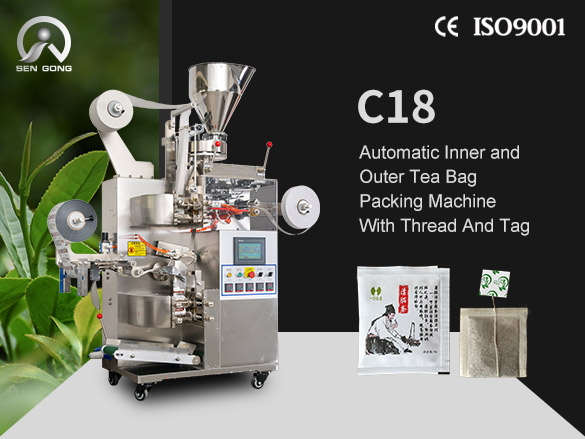
Depending on the machine configuration, the production line may also add a string and tag, print production information, and package each tea bag in a sealed outer envelope.
This integrated process can reduce repetitive manual work and improve overall packaging consistency.
Darjeeling black tea can vary in leaf length, bulk density, particle size, and flowability. Manufacturers should select a dosing system that matches the actual tea material.
Electronic weighing and volumetric dosing are commonly used options. For light, fluffy, or long-leaf tea, an actual packaging test is recommended to evaluate feeding stability and dosing accuracy.
Common pyramid tea bag materials include nylon mesh, nonwoven filter material, and PLA-based material. These options differ in transparency, sealing performance, cost, and market positioning.
Before purchasing a machine, manufacturers should confirm which materials and specifications the equipment can process.
Aroma is an important part of the Darjeeling tea experience. An individual outer envelope can help protect the tea bag from moisture, unwanted odors, and environmental exposure during storage and distribution.
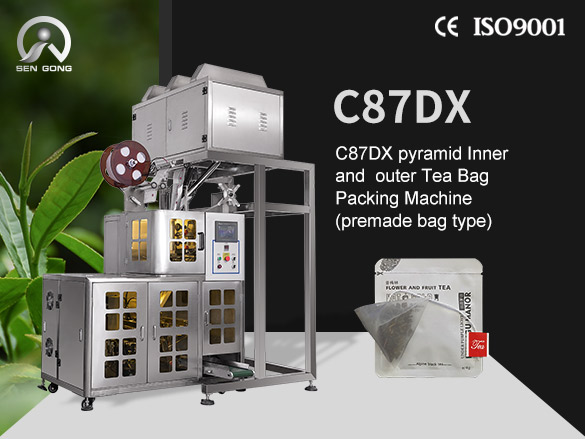
Tea producers can choose a machine that makes only the inner pyramid bag or an integrated system that completes both the inner bag and the sealed outer envelope.
A pyramid tea bag with a string and branded tag is convenient for consumers to use. The tag can display a logo, brand name, product variety, or other visual information.
This configuration is particularly useful for retail brands, hotels, cafés, restaurants, and gift tea suppliers.
The actual packaging speed depends on the characteristics of the tea, filling weight, packaging material, bag format, and machine configuration.
Manufacturers should consider not only the stated machine speed but also daily output requirements, cleaning time, material changeovers, operator availability, and long-term production stability.
Using a pyramid tea bag packing machine can help Darjeeling tea manufacturers establish a more standardized packaging process.
The main benefits include:
Reduced repetitive manual work
Improved production efficiency
More consistent filling weight
Better control of packaging material usage
Attractive pyramid or rectangular tea bag formats
Optional string, tag, and outer envelope packaging
Improved product presentation and brand image
Easier development of premium single-serve tea products
Better suitability for retail, e-commerce, hotel, and gift markets
For companies planning to expand their tea bag production, automated packaging equipment can also create a foundation for product diversification and larger-scale manufacturing.
Before purchasing equipment, tea manufacturers should provide the machine supplier with actual Darjeeling tea samples and the intended packaging materials for testing.
Important factors to confirm include:
Tea leaf length, size, density, and flowability
Target filling weight per tea bag
Required pyramid or rectangular bag format
Need for a string and tag
Need for an individual outer envelope
Type and width of filter material
Outer envelope film specifications
Expected hourly or daily production capacity
Materials used for tea-contact components
Ease of cleaning and product changeover
Date-printing or coding requirements
Compatibility with checkweighing and cartoning equipment
Availability of training, spare parts, and after-sales support
A trial run with the actual tea material is essential. It allows the buyer to assess dosing performance, seal quality, finished bag appearance, and machine stability before making a final decision.
For tea manufacturers looking for an automatic pyramid tea bag packaging solution, Xiamen Sengong Packing Equipment Co., Ltd. supplies packaging equipment for tea and other portioned products.
The company’s tea packaging solutions can be configured according to the customer’s tea material, required bag shape, filling weight, filter material, string-and-tag requirements, and outer envelope specifications.
Before recommending a machine, the supplier can evaluate the customer’s production requirements and conduct sample testing with actual Darjeeling black tea. This helps determine a suitable feeding, measuring, forming, and sealing configuration.
To learn more about pyramid tea bag packing machines and customized tea packaging solutions, visit:
As consumers increasingly value convenience, ingredient visibility, and premium presentation, tea bags are evolving from conventional fine-cut tea products toward whole-leaf tea, herbal blends, fruit tea, and specialty formulations.
Pyramid tea bags combine single-serve convenience with enough internal space to display and brew larger tea leaves. This makes them well suited to Darjeeling black tea and other specialty teas with distinctive aromas and visible ingredients.
Tea brands can also combine Darjeeling black tea with flower petals, dried fruit, herbs, or spices to create flavored blends. Before production, however, the blended material should be tested for uniformity, flowability, and dosing stability.
Indian Darjeeling black tea is valued for its distinctive mountain-grown character, floral aroma, and refined flavor. Pyramid tea bag packaging provides the tea leaves with more room to expand while offering consumers a convenient and visually attractive brewing format.
By selecting a suitable pyramid tea bag packing machine according to tea characteristics, filling weight, packaging material, and production capacity, manufacturers can improve efficiency, stabilize packaging quality, and develop more competitive premium tea products.
Xiamen Sengong Packing Equipment Co., Ltd. can provide tea packaging equipment and customized machine configurations for different product and packaging requirements. More product information is available at www.quickerpack.com and www.vipacker.com.
The amount of leaf breakage depends on the feeding system, tea leaf size, machine structure, and operating parameters. Testing with actual tea samples can help optimize the feeding speed and dosing settings.
Some machines support both pyramid and rectangular bag formats. The available formats depend on the specific machine design and configuration, so buyers should confirm this feature with the supplier.
An outer envelope is recommended when the product requires additional protection against moisture, odors, and environmental exposure. The appropriate film structure should be selected according to the desired shelf life and storage conditions.
The filling weight should be tested according to tea volume, leaf size, desired beverage strength, bag dimensions, and the expected cup capacity. Weight alone does not determine the final brewing performance.
Actual tea samples allow the equipment supplier to test feeding, dosing, sealing, and finished bag appearance. This helps determine whether the proposed machine configuration is suitable for the customer’s production requirements.
Counseling Hotline
+8613779964655
E-Mail:sales@quickerpack.com
Mobile:+8613779964655
TEL:+8613779964655
Addess:228, Tianfeng Road, North Industrial Zone, Jimei District, Xiamen, Fujian, China.
CopyRight 2004-2026 Xiamen Sengong Packing Equipment Co.,Ltd All Rights Reserved XML MAP