CONTACT US
|
Wechat
WeChat:+8605925523433Wechat QR code,Contact us
WeChat:+8605925523433Wechat QR code,Contact us

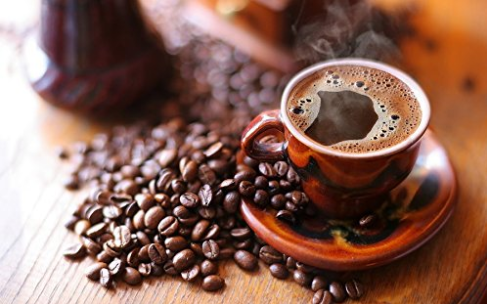
Germany has a mature coffee market and a well-established filter coffee tradition. Coffee is not only an everyday beverage; it is also part of the familiar “coffee and cake” social occasion. Filter coffee, darker roasted blends, and specialty single-origin coffees all have established places in the German market.
“German coffee” does not usually mean coffee beans grown in Germany. It generally refers to coffee roasted, sold, or developed for consumers in Germany. Brands should clearly identify bean origin, blend composition, roast date, and intended brewing method on the package.
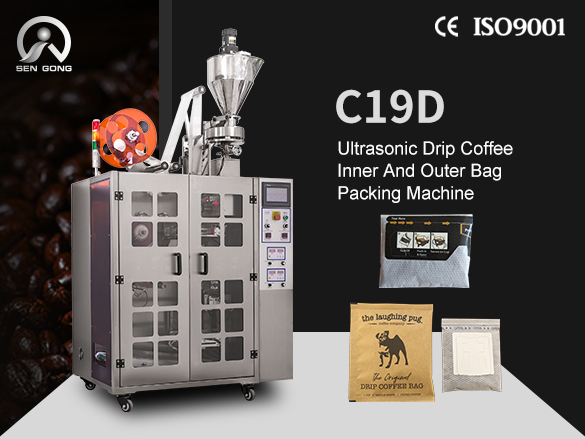
As mobile consumption and convenient premium products become more important, drip coffee bags can bring a familiar filter-coffee experience to offices, hotels, travel, and e-commerce channels. An automatic drip coffee bag packing machine gives roasters, coffee brands, and contract packers a standardized way to produce single-serve coffee.
Germany’s established filter-coffee culture makes drip coffee bags easy for consumers to understand. They are neither instant coffee nor dependent on a coffee machine. The consumer simply opens an individual pouch, places the hanging-ear filter over a cup, and adds hot water in stages.
Drip coffee bags can be developed for:
Specialty single-origin products from German roasters;
Medium-roast coffees designed for filter brewing;
Breakfast coffee and everyday office coffee;
Hotel-room and meeting-service coffee;
E-commerce subscriptions and gift collections;
Train travel, camping, and outdoor coffee;
Corporate gifts and brand-event products;
Private-label and contract-packing projects.
The outer pouch can display roasting dates, bean origin, processing method, tasting notes, recommended water temperature, and brewing parameters, helping consumers make an informed choice.
A drip coffee bag is not simply a pouch filled with any ground coffee. Product performance depends on the relationship between the coffee, filter material, dose, and brewing parameters.
For German-style filter coffee, product development should consider:
Whether the grind is suitable for the hanging-ear filter;
Whether fill weight matches the target cup volume;
Whether water flow remains stable;
Whether the recommended water volume and brewing time are easy to follow;
Whether the coffee is over-extracted, overly bitter, or under-extracted;
Whether body, sweetness, and aroma match the intended brand profile.
Dark-roasted coffee can work in a drip bag, but grind size and brewing speed must be controlled. A grind that is too fine may slow water flow and lead to over-extraction, while a grind that is too coarse may produce a weak cup. Real brewing tests are essential before commercial production.
An automatic drip coffee bag packing machine combines several packaging stages into one continuous workflow. Depending on the configuration, the process typically includes:
Feeding roasted and ground coffee into the system;
Measuring the preset dose for each serving;
Filling coffee into filter material;
Forming the inner filter bag with hanging supports;
Sealing and cutting the inner bag;
Transferring the inner bag into an individual outer pouch;
Heat-sealing, cutting, and discharging the finished pouch;
Applying optional dates, batch numbers, or traceability codes.
This integrated process reduces manual handling and product transfer while helping improve consistency in fill weight, bag format, and sealing quality.
Once coffee is ground, it becomes more exposed to oxygen, moisture, light, and external odors. Individual outer pouches should use appropriate barrier and heat-sealing materials based on shelf-life goals, storage conditions, and logistics requirements.
Coffee particles in the seal area, wrinkled film, or unstable sealing parameters can compromise package integrity. Manufacturers should monitor seal appearance, seal strength, and cutting alignment during production.
For specialty coffees where aroma retention is especially important, nitrogen flushing may be evaluated according to the packaging material and machine configuration. It can reduce residual oxygen, but performance also depends on film barrier properties, gas replacement, seal quality, and storage conditions.
If a brand uses terms such as “recyclable” or “compostable,” the claims should reflect the actual packaging material, collection system, and requirements in the intended market. Avoid vague or unverifiable environmental messaging.
Automatic packaging is not only a production tool; it can support product innovation. Brands can create clear single-serve ranges through different origins, roast profiles, brewing recipes, and pouch designs.
For example, outer-pouch colors can distinguish a breakfast blend, afternoon coffee, single-origin selection, or limited seasonal release. A QR code can link consumers to farm information, roasting stories, or brewing instructions. In this way, a drip bag becomes both a convenient product and a direct communication tool for the brand.
Grind size, density, roast level, oil content, and static electricity all influence filling and dosing. Equipment trials should use the real production coffee rather than a generic sample.
Businesses should determine the coffee dose, recommended water volume, and intended strength, then confirm that the dosing system meets those requirements.
The filter must balance water flow, sealing performance, and food-contact suitability. Hanging supports should fit the cup sizes commonly used in the target market.
The actual production film should be tested for pouch formation, printed registration, cutting accuracy, and seal quality.
Hoppers, dosing equipment, and filling paths should be accessible for inspection and cleaning. Efficient changeover helps reduce carryover when producing several blends, origins, or roast profiles.
Machine specifications provide only a baseline. The real interaction between coffee, filter material, and outer film determines production stability and finished-product quality.
For a meaningful trial, provide:
The actual German-style filter coffee;
Target filling weight;
Actual filter and hanging-support samples;
Intended outer-pouch film;
Required bag type and dimensions;
Expected production output;
Date coding, batch, or nitrogen-flushing requirements.
Evaluate feeding continuity, fill-weight variation, inner-bag seals, support placement, outer-pouch integrity, cutting precision, and continuous operating performance. Real brewing tests should also confirm water flow, extraction, and cup quality.
Xiamen Sengong Packing Equipment Co.,Ltd provides drip coffee bag packing equipment and related solutions for coffee roasters, coffee brands, private-label businesses, and contract packers.
Businesses can discuss coffee characteristics, fill weight, filter materials, outer-pouch film, and production targets with the equipment supplier. Real-material trials help optimize packaging settings and reduce compatibility risk before commercial production.
Learn more about drip coffee packaging equipment and solutions:
Germany’s filter coffee tradition provides a strong foundation for single-serve drip coffee products. Drip bags combine accurately measured coffee, a brewing filter, and individual protective packaging to deliver a convenient filter-coffee experience.
With an automatic drip coffee bag packing machine, businesses can achieve consistent dosing, hanging-ear filter formation, and dependable pouch sealing. The key to a successful German-style drip coffee product is not speed alone, but the reliable matching of grind size, dose, filter material, outer packaging, and brewing recipe.
Counseling Hotline
+8613779964655
E-Mail:sales@quickerpack.com
Mobile:+8613779964655
TEL:+8613779964655
Addess:228, Tianfeng Road, North Industrial Zone, Jimei District, Xiamen, Fujian, China.
CopyRight 2004-2026 Xiamen Sengong Packing Equipment Co.,Ltd All Rights Reserved XML MAP