CONTACT US
|
Wechat
WeChat:+8605925523433Wechat QR code,Contact us
WeChat:+8605925523433Wechat QR code,Contact us

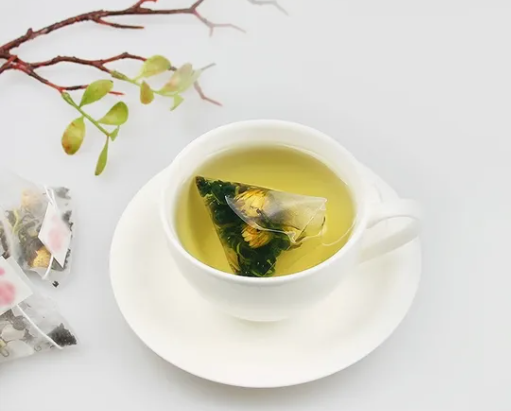
Greek tea culture includes modern products such as black tea, green tea, and fruit tea, as well as herbal blends inspired by flowers, botanicals, and mountain plants. For tea brands seeking a natural, transparent, and premium product image, packaging must do more than protect ingredients—it should help consumers understand and appreciate the leaves, flowers, and botanical blends inside.
Pyramid tea bags are well suited to this purpose. Their three-dimensional filter structure gives larger leaves, petals, fruit pieces, and herbs more space to expand in hot water. Compared with a conventional flat tea bag, pyramid packaging can better present ingredient appearance and support a more consistent brewing experience.
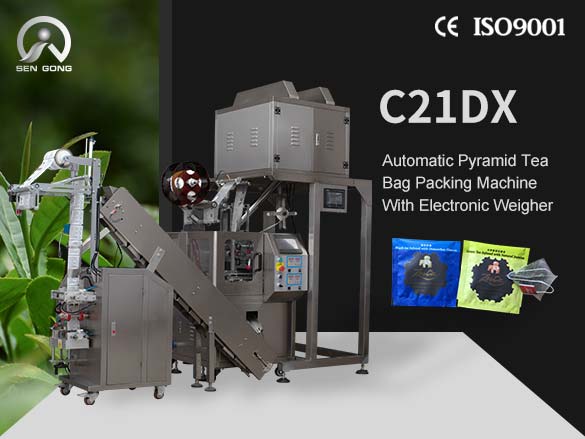
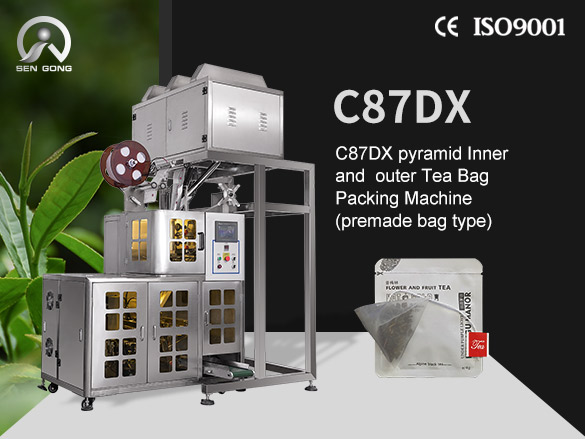
An automatic pyramid tea bag packing machine can integrate ingredient dosing, three-dimensional filter-bag forming, sealing, string-and-tag attachment, and individual outer-pouch packaging into a continuous production process.
Greek mountain tea is often associated with local herbal beverage traditions and may be presented with larger stems, leaves, or flowers. When these ingredients are overly compressed, both package appearance and brewing performance can be affected. A pyramid tea bag offers more suitable space for these materials.
In addition to herbal products, brands can develop:
Black tea and flavored black tea;
Green tea and green tea with fruit or floral ingredients;
Fruit tea containing fruit pieces, peels, petals, and spices;
Herbal tea and botanical blends;
Tea collections inspired by Greek nature, Mediterranean botanicals, or local tea culture;
Hotel-room, restaurant, and office tea;
E-commerce, tasting packs, and seasonal gifts;
Private-label and contract-packed tea.
Packaging should accurately describe actual ingredient origin and composition. Claims related to Greek mountain tea, native plants, or origin should be supported by real sourcing and supply-chain information.
Pyramid tea bags affect more than package shape—they influence how ingredients behave in the cup.
Larger tea leaves, petals, herbs, and fruit pieces need room to interact with hot water. A three-dimensional bag can reduce crowding and allow water to move more naturally through the blend.
Petals, fruit peels, and fruit pieces can have attractive natural colors and forms. With transparent or semi-transparent filter material, consumers can see the ingredients, which supports a natural and premium product impression.
Brands can state recommended water temperature, steeping time, and cup size for each tea category, helping consumers achieve more consistent results.
Set fill weight according to leaf form, blend design, and target cup size. The outer pouch should help preserve aroma and provide clear steeping instructions.
Green tea may be affected by moisture, oxygen, light, and external odors. Use outer-pouch materials with suitable barrier performance and provide appropriate water-temperature and steeping-time guidance.
Fruit tea may combine fruit pieces, peels, petals, and spices. During automatic packing, test ingredient distribution in each serving to avoid flavor variation caused by separation of light petals and heavier pieces.
Herbal ingredients can be lightweight, bulky, prone to bridging, or irregular in shape. Use the real formula to test feeding and dosing performance. Labels should accurately state ingredients, storage instructions, brewing guidance, and required warnings.
An automatic pyramid tea bag packing machine typically completes these continuous stages:
Feed tea, fruit tea, or herbal ingredients into the system;
Dose each tea bag to the preset net weight;
Form a three-dimensional bag from nylon, PLA, non-woven fabric, or another suitable filter material;
Seal and cut the filter bag;
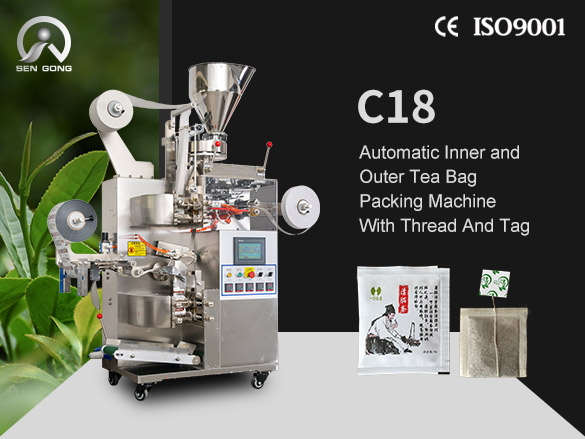
Attach a string and tag;
Transfer the finished tea bag into an individual outer pouch;
Heat-seal, cut, and discharge the final package;
Add optional date, batch, or traceability coding.
Actual machine performance is influenced by ingredient size, density, moisture content, flowability, filter construction, and outer-pouch film. Test the real product before commercial production.
Filter material must balance water flow, strength, sealability, and food-contact suitability. For large-leaf herbal tea, petals, and fruit pieces, bag dimensions should match ingredient volume to avoid overfilling and restricted brewing.
The individual outer pouch protects the product. Select it according to tea type, target shelf life, storage conditions, and logistics requirements. Verify:
Moisture, oxygen, and light barrier performance;
Heat-sealing stability;
Compatibility with forming, cutting, and printed registration;
Package integrity under real transport and storage conditions.
The same machine may need different settings for black tea, green tea, fruit pieces, and lightweight petals. Before purchase, prepare actual production materials for trials:
Real tea or botanical-blend formula;
Target net weight per bag;
Pyramid filter material, strings, and tags;
Intended individual outer-pouch film;
Required tea-bag and pouch dimensions;
Expected production output;
Date, batch, and traceability requirements.
Assess feeding stability, fill-weight variation, ingredient breakage, filter-bag seals, string-and-tag placement, pouch seals, cutting accuracy, and continuous operation. Real brewing tests should also confirm ingredient expansion, water flow, and final cup quality.
Xiamen Sengong Packing Equipment Co.,Ltd provides pyramid tea bag packing equipment and related solutions for tea brands, black tea and green tea producers, fruit tea and herbal tea businesses, private-label projects, and packing service providers.
Businesses can discuss tea type, ingredient form, fill weight, filter material, string-and-tag requirements, outer-pouch film, and target output with the equipment supplier. Real-material trials help optimize packaging parameters and reduce compatibility risks before commercial production.
Learn more about equipment and packaging solutions:
Pyramid tea bag packaging can turn Greek herbal, fruit, black, and green tea products into visually appealing and convenient single-serve offerings. The three-dimensional filter gives ingredients room to expand, while the individual outer pouch protects aroma and carries key brand information.
An automatic pyramid tea bag packing machine supports stable dosing, three-dimensional filter-bag forming, string-and-tag attachment, and sealed outer-pouch packaging. Product quality depends on the reliable match of real ingredients, filter material, pouch material, operating parameters, and brewing experience.
Counseling Hotline
+8613779964655
E-Mail:sales@quickerpack.com
Mobile:+8613779964655
TEL:+8613779964655
Addess:228, Tianfeng Road, North Industrial Zone, Jimei District, Xiamen, Fujian, China.
CopyRight 2004-2026 Xiamen Sengong Packing Equipment Co.,Ltd All Rights Reserved XML MAP