CONTACT US
|
Wechat
WeChat:+8605925523433Wechat QR code,Contact us
WeChat:+8605925523433Wechat QR code,Contact us

Russia is not a coffee-growing country, but imported coffee, local roasting, branded blends and specialty retail create a diverse coffee market. For roasters and coffee brands, one of the biggest challenges when entering new cafés, retail channels or corporate accounts is helping potential partners experience the product quickly and accurately.
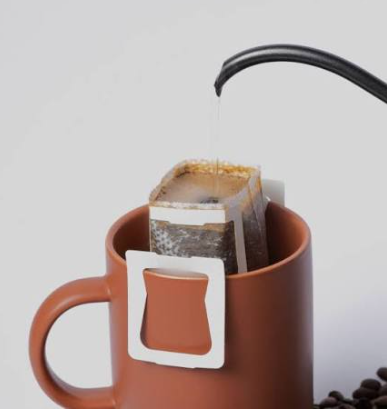
A drip coffee bag, also called a hanging-ear coffee bag, contains a measured coffee dose inside a filter bag and seals it in an individual outer envelope. It turns ground coffee into a standardized tasting unit: no coffee machine or professional brewing equipment is required—only a cup and hot water. This format is well suited to café-wholesale samples, product launches, retail tasting, subscription promotions and small-batch market testing.
Traditional ground-coffee samples often require buyers to have their own grinding, weighing or brewing equipment. Different users may use different parameters, making evaluations harder to compare. Drip coffee bags can pre-set coffee dose, filter structure and recommended pouring method, helping brands communicate the intended cup profile more consistently.
Russia ground coffee projects can include:
Café wholesale sample packs: One bag for each blend or roast profile, enabling buyers to compare quickly;
New-product tasting boxes: Multi-pack sets for collecting consumer feedback on coffee profiles;
Store staff training packs: Standardized preparation for employees to understand product performance;
Retail entry products: Balanced, easy-to-drink coffee for first-time buyers;
Specialty lot promotion packs: Products with origin, process, roast-date and flavor details based on genuine sourcing information;
Corporate trial packs: Coffee testing formats for office and meeting-room use.
These products can help brands gather market feedback more quickly and refine recipes, packaging specifications and communication before wider distribution.
A drip coffee bag is not simply a small portion of ground coffee. It is a filter-brewing product in which grind size, coffee dose, filter flow, pouring method and target cup volume must be designed together.
Coffee that is too fine may cause slow flow, clogging, bitterness or over-extraction. Coffee that is too coarse may result in under-extraction, weak aroma or a thin cup. These variations are especially important to avoid in sample products because the first cup directly shapes a customer’s view of the brand.
A sample specification card can include:
Net coffee content per bag;
Grind particle range;
Recommended water temperature;
Total water volume;
Staged pouring steps;
Target brewing time;
Aroma, strength, sweetness and aftertaste targets.
The card can be printed on the envelope, included in a tasting box or linked through a QR code. In every case, the information should match the actual coffee lot.
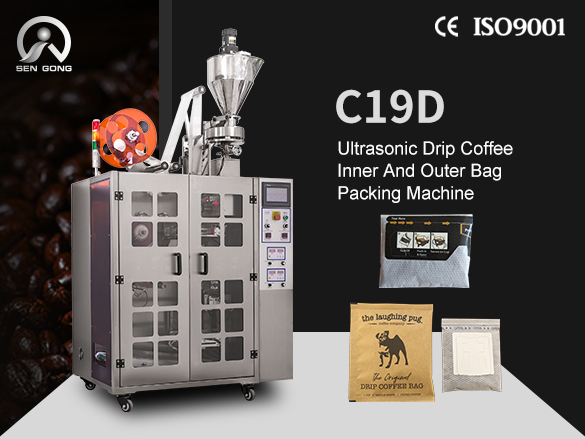
Depending on configuration, a drip coffee bag packaging machine can integrate automatic coffee dosing, filter-bag forming, hanging-ear attachment, individual outer-envelope sealing and optional nitrogen flushing. For Russia ground coffee wholesale and sampling projects, equipment should support smaller runs, multiple products and stable finished-pack quality.
Key factors include:
Stable dosing with actual coffee
Roast levels, blends and grind states can differ in density, flow behavior and static charge. Continuous trials should use the final coffee product.
Filter flow and hanging-ear strength
Filter bags should match coffee grind and dose, while hanging ears must remain secure on common cup types during brewing.
High-barrier individual envelopes
Ground coffee is sensitive to oxygen, moisture, light and odor transfer. Individual envelopes help protect samples during storage, display and delivery.
Optional nitrogen flushing
Aroma-focused products, long-distance sample shipments or longer tasting periods may evaluate nitrogen flushing. Actual freshness performance should be verified through finished-product tests, residual-oxygen control and storage trials.
Multi-SKU management
Product name, roast level, lot code, date marking and envelope design should be clearly matched to reduce sample confusion and shipping errors.
For café buyers, retail partners and end consumers, the outer envelope should do more than display a brand name. It can concisely communicate roast level, flavor direction, recommended water volume, brewing steps and lot information.
For products with valid source information, origin, process method or blend details can be added. Claims such as “single origin” or “specialty” should be verifiable. For Russia and other export markets, label language, origin statements, date marking and other compliance information should be reviewed according to destination-market requirements.
Before equipment purchase, product launch or wholesale promotion, conduct complete trials using final coffee, filter bags and outer-envelope film. Complete two types of checks:
Packaging checks: Dose consistency, filter-bag and hanging-ear appearance, seal quality and transport performance;
Use checks: Whether water flow, aroma and flavor remain consistent when different users follow the same brewing instructions.
After sampling activity, collect feedback on flavor, convenience, envelope information and brewing difficulty to improve future products.
Xiamen Sengong Packing Equipment Co.,Ltd provides packaging equipment solutions for drip coffee bags and single-serve ground coffee products. Brands can choose suitable configurations based on coffee grind, per-pack dose, output targets, filter-bag specifications, outer-envelope formats, multi-SKU management and freshness requirements.
Learn more:
Drip coffee bags for Russia ground coffee can turn wholesale samples, retail tasting and specialty coffee promotion into more standardized single-cup experiences. With a compatible grind profile, reliable individual envelopes and stable packaging equipment, brands can help buyers and consumers taste, compare and understand coffee products more easily.
Counseling Hotline
+8613779964655
E-Mail:sales@quickerpack.com
Mobile:+8613779964655
TEL:+8613779964655
Addess:228, Tianfeng Road, North Industrial Zone, Jimei District, Xiamen, Fujian, China.
CopyRight 2004-2026 Xiamen Sengong Packing Equipment Co.,Ltd All Rights Reserved XML MAP