CONTACT US
|
Wechat
WeChat:+8605925523433Wechat QR code,Contact us
WeChat:+8605925523433Wechat QR code,Contact us

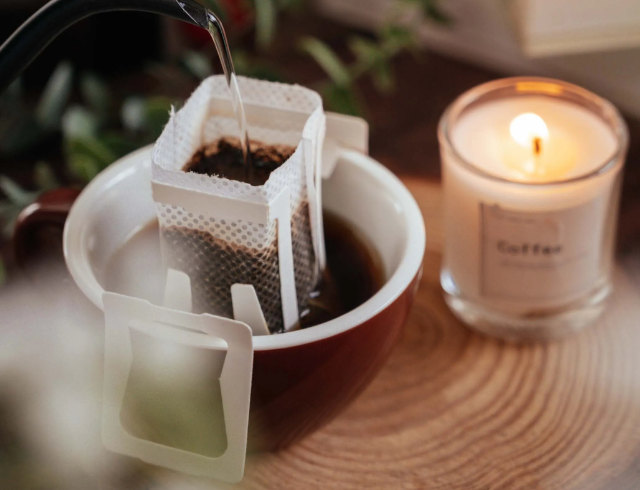
A high-quality Ukrainian coffee drip bag is more than ground coffee in a small pouch. It brings together a roaster’s recipe, grind size, filter material, packaging barrier performance, and the consumer’s brewing process to create a consistent cup wherever hot water is available.
For coffee roasters, specialty brands, and contract packers, drip coffee bags can extend café-style products into offices, hotels, guesthouses, travel, e-commerce, corporate gifts, and tasting packs. Consumers do not need a coffee machine, grinder, or separate dripper—only a cup and hot water.
“Ukrainian coffee” generally refers to coffee roasted, sold, or developed for consumers in Ukraine. It does not necessarily mean that coffee beans were grown in Ukraine. Product packaging should accurately state bean origin, blend information, roast date, and recommended brewing method.
In a café, a barista can adjust grind, dose, and extraction time. A drip coffee bag needs to set these variables in advance during product development. Each bag should help the consumer brew a cup close to the brand’s intended flavor profile.
A complete drip coffee product includes five connected elements:
Coffee selection: origin, blend, roast profile, and flavor positioning;
Grind specification: affecting water flow and extraction;
Fill weight: determining strength and body at the target cup size;
Filter structure: affecting coffee capacity, water flow, and cup stability;
Outer-pouch protection: helping preserve aroma and product quality.
When these five elements are properly matched, a drip coffee bag becomes more than a portable pouch—it becomes a premium, repeatable single-serve coffee experience.
Drip coffee bags can support a wide range of product strategies:
Specialty single-origin coffee;
Balanced blends for everyday drinking;
Medium-roast and medium-dark roast coffee;
Seasonal and limited-edition releases;
Coffee tasting collections and subscription products;
Hotel-room, meeting-service, and office coffee;
Gift boxes, promotional items, and corporate custom products;
Portable coffee for travel and outdoor use.
For specialty coffees, the pouch can highlight origin, processing method, roast date, and tasting notes. For everyday blends, it can focus on strength, recommended cup size, and simple brewing instructions.
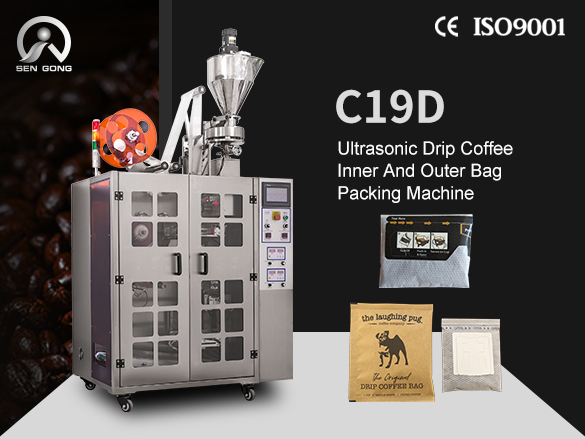
An automatic drip coffee bag packing machine can continuously perform coffee dosing, filter-bag forming, hanging-support attachment, and outer-pouch sealing.
A typical workflow includes:
Roast and grind coffee for drip brewing;
Feed coffee into the dosing system;
Fill filter material to the preset weight;
Form an inner filter bag with hanging supports;
Seal and cut the inner bag;
Transfer it into an individual outer pouch;
Heat-seal, cut, and discharge the finished product;
Add optional dates, batch numbers, or traceability codes.
Automation reduces manual transfer and supports greater consistency in fill weight, bag appearance, support placement, and outer-pouch sealing.
Coffee particle size, density, roast level, static electricity, and oil content affect filling performance. Use the actual production coffee in testing rather than a generic sample.
Packaging trials should check inner-bag seals, outer-pouch seals, cutting alignment, registration marks, and continuous operating stability. Leaks, wrinkles, or incomplete seals may affect aroma retention over the intended shelf life.
A visually correct package does not automatically guarantee a good cup. Use the intended cup, recommended water temperature, and water volume to check flow rate, brew time, aroma, strength, and cup quality.
Ground coffee is more sensitive to oxygen, moisture, light, and external odors than whole beans. For single-serve products that move through storage, shipping, and retail channels, pouch material and seal quality are especially important.
Select outer-pouch materials with suitable oxygen, moisture, light, and heat-sealing performance based on target shelf life, sales channel, shipping distance, and storage conditions.
For products requiring additional aroma protection, nitrogen flushing may be evaluated according to product positioning and machine configuration. It can reduce residual oxygen, but the final result also depends on pouch material, gas replacement, seal quality, and actual storage conditions.
A drip coffee bag may be unfamiliar to first-time consumers. Simple graphics or concise wording can explain the correct process:
Open the outer pouch;
Unfold both supports;
Place the filter over a cup;
Wet the coffee with a small amount of hot water;
Add the recommended water volume in stages;
Allow the coffee to finish dripping before enjoying it.
Clear preparation instructions reduce flavor variation caused by incorrect use and can improve the likelihood of repeat purchases.
When selecting equipment, businesses should evaluate:
Compatibility with actual coffee feeding and dosing behavior;
Support for the target fill weight, filter dimensions, and pouch specification;
Ease of cleaning hoppers, dosing components, and filling paths;
Stable operation using the intended packaging film;
Optional date coding, batch traceability, registration control, nitrogen flushing, and product conveying;
Availability of trials using real materials and production parameters.
Xiamen Sengong Packing Equipment Co.,Ltd provides drip coffee bag packing equipment and related solutions for coffee roasters, specialty coffee brands, private-label businesses, and contract packers.
Businesses can discuss coffee characteristics, fill weight, filter material, outer-pouch film, and output targets with the supplier. Trials using real coffee and packaging materials help confirm dosing, sealing, and brewing performance before commercial production.
Learn more about equipment and packaging solutions:
Drip coffee bags give Ukrainian coffee brands a way to combine roast character, individual packaging, and convenient brewing in one product. An automatic drip coffee bag packing machine supports consistent dosing, hanging-ear filter formation, and sealed outer-pouch packaging.
The foundation of a high-quality single-serve coffee product is real coffee testing, reliable packaging materials, clear brewing guidance, and stable production control—not packing speed alone.
Counseling Hotline
+8613779964655
E-Mail:sales@quickerpack.com
Mobile:+8613779964655
TEL:+8613779964655
Addess:228, Tianfeng Road, North Industrial Zone, Jimei District, Xiamen, Fujian, China.
CopyRight 2004-2026 Xiamen Sengong Packing Equipment Co.,Ltd All Rights Reserved XML MAP